

Are you looking at retiring to the Caribbean? We have compiled this guide to help you compare the best 10 Caribbean islands to retire in. We have delved into each island’s monthly cost of living, tax benefits, healthcare systems, and real estate opportunities.
So join us in discovering your perfect Caribbean island for retirement. With a little research and planning, you’ll soon be living the dream in one of these tropical utopias, taking in the white sand beaches and tropical weather!
The Best 10 Caribbean Islands to Retire In
Each island offers its unique charm, making it crucial to consider individual aspects like costs, healthcare, and lifestyle. Here’s a breakdown of some top Caribbean islands for retirement:
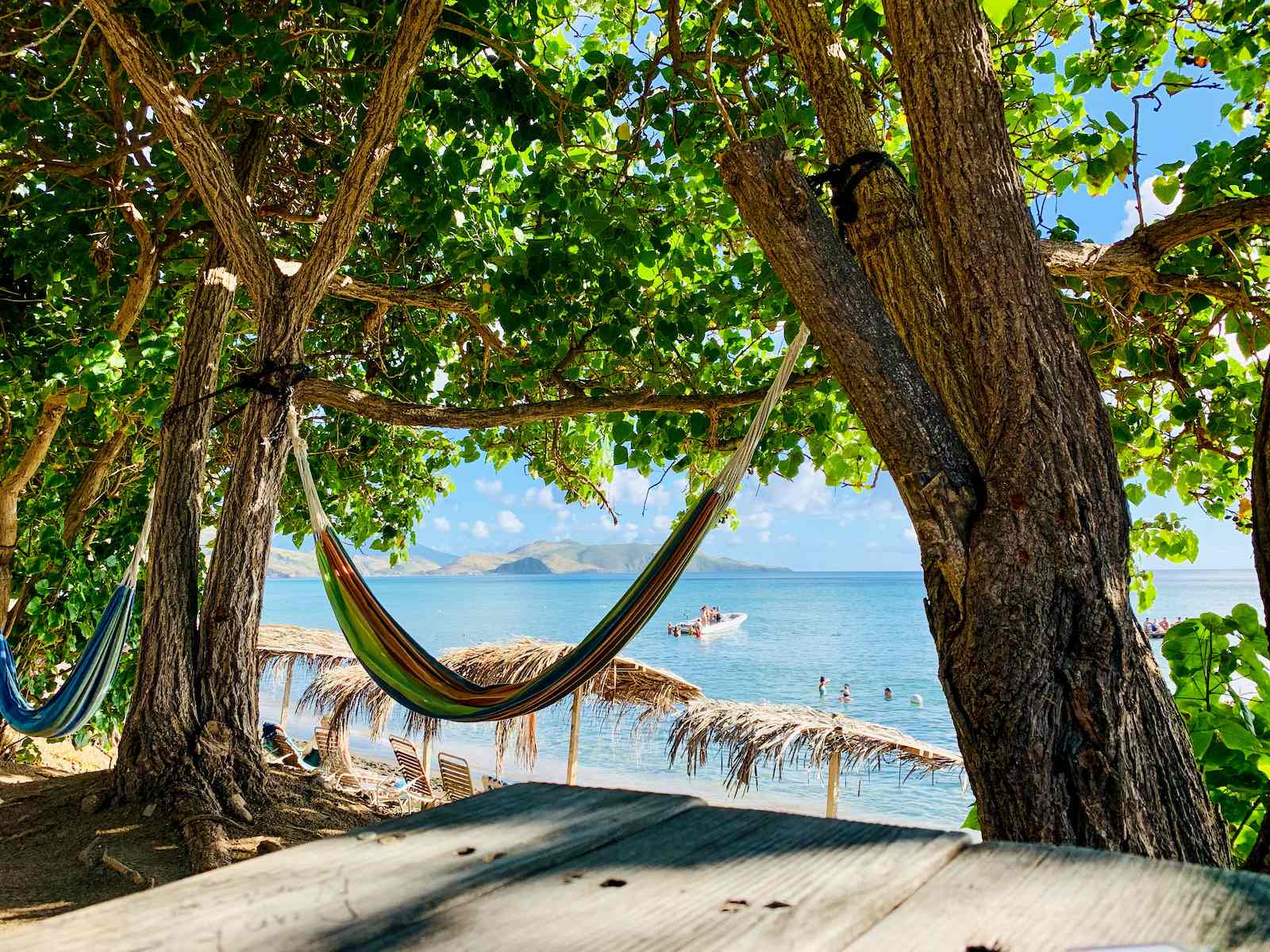
1. Saint Kitts and Nevis
- Lifestyle: This twin-island nation boasts ravishing beaches, lush rainforests, and mountains.
- Benefits: Offers tax incentives such as no global income, inheritance, wealth, or gift taxes. Capital gains tax is applicable only on short-term asset sales. It also includes lifetime dual citizenship and visa-free travel to over 140 countries for passport holders.
- Safety & Connectivity: Generally safe with good international flight connections.
- Healthcare: Access to quality healthcare services.
- Estimated Monthly Cost: Costs: Monthly living estimated at $2,500 – $3,500.
- Community and Lifestyle: Offers a close-knit expat community and a relaxed lifestyle. The islands host various cultural events, outdoor activities, and water sports, appealing to a diverse range of interests.
2. Antigua and Barbuda
- Lifestyle: Famous for its striking beaches and turquoise waters.
- Benefits: Zero personal income tax and minimal property taxes (0.1% and 0.5%).
- Safety & Connectivity: Low crime rate and excellent connectivity to the US, Canada, and Europe.
- Healthcare: Reliable healthcare facilities.
- Estimated Monthly Cost: Around $3,000 – $4,000, with variations based on location and accommodation type.
- Community and Lifestyle: Known for a vibrant expat community and an active social life, especially around sailing and water activities. The islands provide a mix of laid-back Caribbean charm and lively cultural festivals.
3. Saint Lucia
- Lifestyle: This island is characterized by its beautiful landscapes and friendly locals.
- Benefits: Stable economy and government and modern facilities.
- Safety & Connectivity: Relatively safe; normal precautions advised. Good air connections to major destinations.
- Healthcare: Good healthcare services catering to a growing expat community.
- Estimated Monthly Cost: Monthly living costs between $2,000 – $3,000. Affordable rent, with a one-bedroom apartment in Castries costing around US$515 per month.
- Community and Lifestyle: Features a friendly local community and a growing expat population. The island’s lifestyle revolves around its stunning natural beauty, with numerous outdoor and cultural activities.
4. Dominica
- Lifestyle: Offers a tranquil environment with a lower cost of living.
- Benefits: Special programs for retirees for fast-track residency.
- Safety & Connectivity: Safe for tourists and expats, though natural disasters can be a concern. Connectivity is improving, with direct flights to major Caribbean hubs.
- Real Estate & Healthcare: Affordable property options and cost-effective healthcare.
- Estimated Monthly Cost: Generally lower, around $1,500 – $2,500, offering a more affordable living option than the United States, Canada, and Europe. One-bedroom apartments in Roseau are around US$344 per month.
- Community and Lifestyle: Dominica offers a more tranquil lifestyle, ideal for nature lovers and those seeking peace and quiet. The expat community is smaller but growing, with a focus on eco-friendly living and sustainability.
5. Grenada
- Lifestyle: Vibrant culture and welcoming communities on the “Spice Isle.”
- Benefits: Favorable tax policies with no tax on foreign income. It also boasts no capital gains, property transfer, wealth, or inheritance taxes. Retirees will enjoy a low tax rate of 10% on any local income up to XCD$24,000 (East Caribbean Dollar)
- Safety & Connectivity: Known for being safe and welcoming. Good regional and international flight connections, with reliable internet and telecommunications.
- Healthcare: Grenada provides quality healthcare services, both public and private, with options for affordable health insurance.
- Real Estate: The real estate market in Grenada is diverse, offering everything from modest homes to luxury properties. The Grenada Citizenship by Investment program is available for those interested in acquiring property and a second passport.
- Estimated Monthly Cost: A retired couple can live comfortably on a budget of about $2,000 to $2,500 per month, covering housing, utilities, groceries, and leisure activities.
- Community and Lifestyle: The island is known for its welcoming expat community and offers a range of activities, from beach relaxation to hiking and water sports.
6. Puerto Rico
- Lifestyle: A blend of urban and beach lifestyles and vibrant nightlife.
- Benefits: Benefits from being a US territory; no need for a separate visa.
- Safety & Connectivity: As a U.S. territory, it offers high-standard connectivity and infrastructure. Safety varies by area; urban centers require standard precautions.
- Healthcare: Comparable to the US, with stable healthcare facilities.
- Estimated Monthly Cost: As a US territory, costs can be similar to mainland USA, averaging $2,500 – $3,500.
- Community and Lifestyle: As a U.S. territory, Puerto Rico offers a unique blend of American and Caribbean cultures. The lifestyle is vibrant, with a strong sense of community, diverse culinary scenes, and lively arts and entertainment.
7. Barbados
- Lifestyle: Stunning beaches and warm weather, coupled with traditional Caribbean charm and modern amenities.
- Benefits: Stable economy and government.
- Safety & Connectivity: Generally safe with a stable political environment. Excellent international air links.
- Healthcare: High-quality healthcare services and amenities.
- Estimated Monthly Cost: Slightly higher, around $3,000 – $4,500, especially in popular tourist areas.
- Community and Lifestyle: Barbados has a well-established expat community and offers a lifestyle that combines modern amenities with traditional island charm. Social life often revolves around the beach, dining, and various cultural events.
8. The Cayman Islands
- Tax Policies: Attractive for its tax-friendly policies.
- Safety & Connectivity: One of the safest Caribbean destinations with a high standard of living. Strong connectivity with multiple direct flights to the U.S. and Europe.
- Economy & Healthcare: Stable economy, modern amenities, and excellent healthcare.
- Living Costs: Higher cost of living but with high standards of living.
- Estimated Monthly Cost: It is one of the higher-cost islands, expenses can range from $3,500 – $5,000.
- Community and Lifestyle: Known for their affluent lifestyle and strong expat community, the Cayman Islands offer a blend of luxury living and casual island life, with a focus on water sports and financial services.
9. The Bahamas
- Lifestyle: Known for its relaxed lifestyle and beautiful beaches.
- Benefits: The high standard of living.
- Safety & Connectivity: Generally safe; some areas require caution. Excellent connectivity with frequent flights to the U.S. and reliable internet services.
- Healthcare: Good healthcare facilities, especially in larger cities.
- Estimated Monthly Cost: Ranges between $3,000 and $4,500, depending on the island and lifestyle.
- Community and Lifestyle: The Bahamas cater to a relaxed, beach-focused lifestyle with a welcoming expat community. Life here revolves around the ocean, with boating, fishing, and water sports being popular activities.
10. Jamaica
- Lifestyle: Warm climate, stunning beaches, and a relaxed atmosphere.
- Benefits: Stable government and robust economy.
- Safety & Connectivity: Safety varies; some areas are safer than others. Well-connected by air to North America and Europe.
- Healthcare: Reasonable healthcare services.
- Estimated Monthly Cost: More affordable, around $1,500 – $2,500, with a cost-effective lifestyle.
- Community and Lifestyle: Jamaica offers a vibrant lifestyle with a rich cultural heritage. The expat community is diverse, and the island is known for its music, food, and lively social scene.
Each Caribbean island offers a unique blend of beauty, culture, and amenities, making them ideal for retirement. It’s important to weigh the costs, healthcare facilities, and lifestyle each offers to find the perfect fit for your retirement dreams. If you are looking to retire to the Caribbean, our Citizenship by Investment Programs are the way to go. Contact us at Next Generation Equity, and we will help you make the move to the Caribbean.

Savor Your Golden Years in Island Bliss
The Caribbean offers a diverse array of idyllic destinations for retirement, each with its unique charm. From the safety and luxury of the Cayman Islands to the affordability and natural beauty of Dominica, there’s an island to suit every preference and budget. The Citizenship by Investment programs, particularly in Grenada, provide a straightforward pathway to making your Caribbean retirement dream a reality.
Each island presents a unique lifestyle, community, and opportunities, ensuring that your retirement can be as relaxed or as adventurous as you desire. With careful consideration and planning, you can find your perfect slice of paradise in the Caribbean to enjoy your golden years.
FAQ
Which Caribbean island is the most affordable for retirement?
Dominica stands out as one of the cheapest Caribbean islands for retirement. It offers a lower cost of living compared to other Caribbean destinations, with affordable real estate options and a tranquil lifestyle.
How can I move to a Caribbean island through a Citizenship by Investment program?
Saint Kitts and Nevis, Antigua and Barbuda, St. Lucia, Dominica, and Grenada offer attractive Citizenship by Investment programs. By investing in each of these country’s economies, such as purchasing approved real estate or contributing to a national fund, you can acquire citizenship, providing you with the opportunity to live on this beautiful island.