

As globalization continues to break down national borders, the idea of acquiring a second citizenship has become increasingly popular. Having citizenship in another country offers many benefits, including access to better healthcare, education, job opportunities, and the ability to travel without restrictions. So some of you make be asking yourselves which is the easiest country in Europe to get citizenship or how to become an EU citizen.
For those looking to gain citizenship in a European country, there are various options available. There are many investment programs for those who seek citizenship to become an EU citizen.Some European countries offer citizenship by birth or marriage, while others offer citizenship through naturalization or investment.
In this article, we will explore the Easiest country in Europe to get citizenship and provide an in-depth analysis of the most popular citizenship by investment programs available.
Whether you’re a digital nomad, a businessperson, or simply someone looking for a change of scenery, this guide will help you navigate the process of acquiring a second citizenship in Europe.
How to Gain European Citizenship
Obtaining European citizenship can be a complex process, but with the right information and guidance, it can be achievable. If you’re looking to gain European citizenship or wondering about becoming an EU citizen through an investment program, understanding the requirements and procedures involved can make the process much easier. Here’s what you need to know.
Residency Requirements:
One of the main factors in gaining European citizenship is meeting residency requirements. Many European countries require a minimum number of years of residency before an individual can apply for citizenship. However, some countries, such as Malta, have shorter residency requirements, making it easier to become a citizen.
Investment Options:
Investing in the economy of a European country can be an effective way to gain citizenship. Some European countries, such as Malta and Portugal, offer citizenship by investment programs. These programs allow individuals to invest a certain amount of money in the country’s economy through an eligible citizenship program and in turn they are awarded citizenship.
Language Proficiency:
Language proficiency is another requirement for citizenship in some European countries. Countries such as France, Germany, and Italy have language proficiency requirements, but other countries may offer exceptions or leniency for individuals who do not speak the official language.
Ancestry:
Many European countries offer citizenship by descent, meaning individuals can obtain citizenship if they have ancestors from that country. For example, Ireland and Italy have citizenship programs for those with ancestry ties to the country. Some of the easiest countries to gain European citizenship through include Malta, Portugal, and Ireland, all of which have more relaxed citizenship requirements and shorter residency requirements. These countries also offer citizenship by investment or have citizenship programs for those with ancestry ties to the country. In the next section, we’ll take a closer look at these countries and what makes them ideal for obtaining European citizenship.
Easiest Country In Europe To Get Citizenship
There are several European countries that have relatively easy citizenship requirements, making them popular destinations for those seeking to obtain citizenship. Below are some of the easiest countries to gain European citizenship.
Portugal

Portugal is a popular option for those seeking to gain European citizenship quickly and easily. One of the biggest benefits of obtaining citizenship in Portugal is the opportunity to become part of the European Union.
This means that citizens of Portugal have the right to live, work, and travel freely throughout the 27 EU member countries. In addition to the Golden Visa program, Portugal has a number of other options for those seeking citizenship. For example, the country offers citizenship by descent, which allows individuals with Portuguese ancestry to apply for citizenship. Portugal also has a relatively short residency requirement of five years, making it easier for foreigners to gain citizenship.
Furthermore, Portugal is a country with a high quality of life, offering affordable living costs and a favourable climate. The country’s stunning landscapes, rich history, and cultural heritage also make it an attractive place to call home. With a Portuguese passport, individuals have access to some of the world’s best healthcare, education, and job opportunities. Overall, obtaining Portuguese citizenship offers numerous benefits, including EU citizenship and a high standard of living. With a straightforward citizenship application process and a variety of eligibility options, Portugal remains one of the easiest and fastest European countries to gain citizenship.
Malta
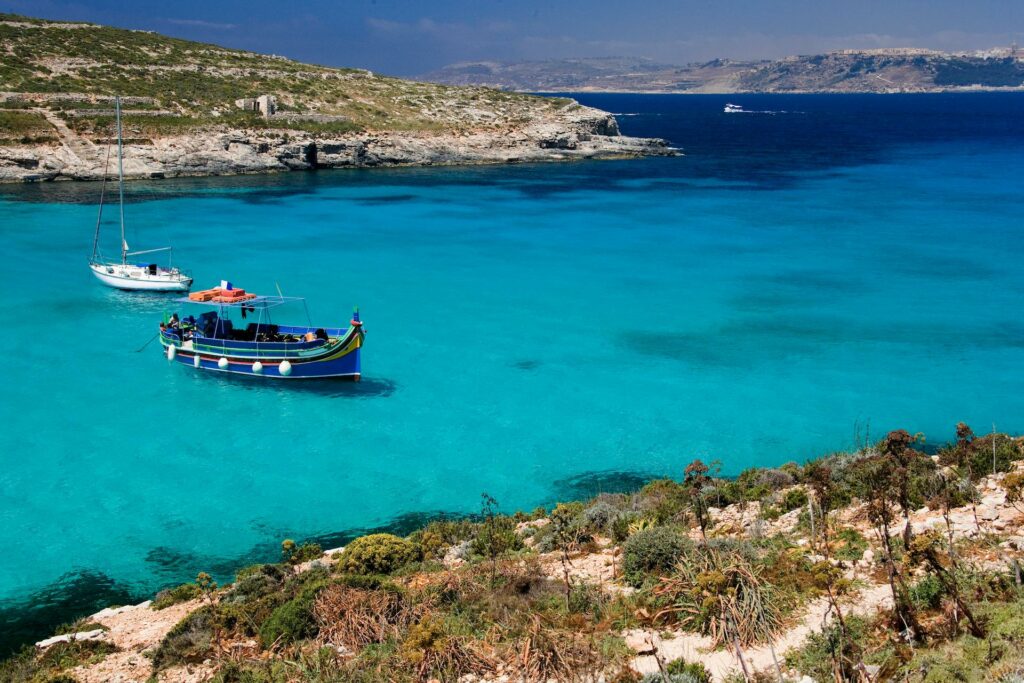
Malta’s Citizenship by Investment program is one of the most popular and efficient ways to obtain Maltese citizenship. Through this program, foreign individuals can invest in the Maltese economy and obtain citizenship within a year. The program is considered one of the fastest and most straightforward citizenship programs in Europe.
Once you become a Maltese citizen, you gain access to all the benefits of EU citizenship, including the ability to live and work in any EU country. Additionally, Malta has a favourable tax system, making it an attractive destination for individuals looking to relocate or start a business in Europe. With its beautiful weather, rich history, relatively low cost of living, and welcoming community, Malta is a popular choice for those seeking European citizenship.
Italy
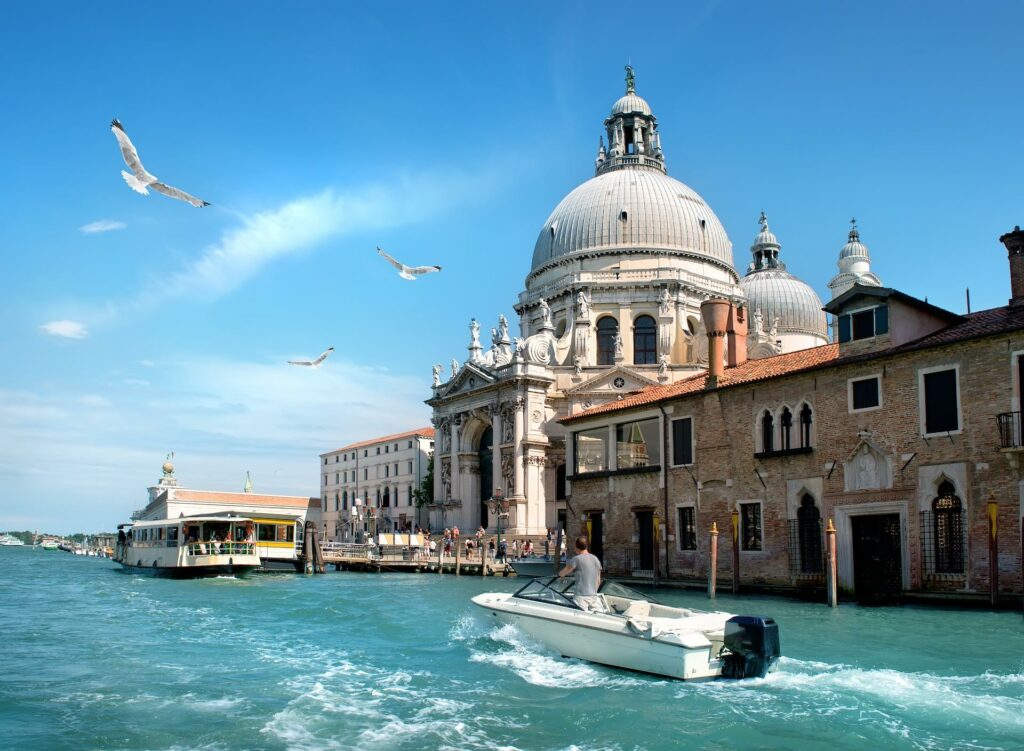
Obtaining Italian citizenship through ancestry is considered to be one of the most straightforward processes in Europe. This is because Italy recognises jus sanguines, or the right of blood, which means that anyone with Italian ancestry can potentially become an Italian citizen.
This process is especially attractive for those with Italian heritage who want to connect with their ancestral roots and enjoy the benefits of Italian citizenship, such as visa-free travel throughout the European Union and access to Italy’s high-quality healthcare system.
In addition, Italian citizenship provides the right to live and work in Italy and other European Union countries. However, it is important to note that the process of obtaining Italian citizenship through ancestry can be time-consuming and may require extensive documentation and research to prove one’s lineage.
Greece

Greece’s Golden Visa program is one of the most attractive in Europe for investors seeking to obtain citizenship. By investing in real estate or other eligible investments, non-EU citizens can acquire a five-year residency permit, which can then lead to permanent residency and citizenship.
Greece’s fast-track residency and citizenship programs have become increasingly popular with foreign investors, particularly those from China and Russia, who are seeking to access the benefits of EU citizenship.
Additionally, Greece offers citizenship by descent, meaning that those who can prove they have Greek ancestry can become citizens, even if they were not born in Greece. This ancestry-based citizenship process is one of the simplest ways to become a Greek citizen.
Spain

Spain offers a fast-track citizenship process for individuals from Latin American countries, Andorra, the Philippines, Equatorial Guinea, Portugal, and individuals who have Sephardic Jewish heritage.
However, the most popular way to obtain Spanish citizenship is through the Golden Visa program, which grants residency and eventual citizenship to non-EU citizens who invest a minimum of US $551,000 in Spanish property, businesses, or government bonds.
The program has been very successful, attracting many wealthy investors who are looking to obtain EU citizenship. Additionally, individuals can obtain Spanish citizenship through a naturalization process after legally residing in Spain for a certain period of time. In conclusion, these are some of the easiest European countries to obtain citizenship. While the specific requirements vary by country, each of these countries offers relatively straightforward citizenship processes, making them attractive options for those seeking to become European citizens.
Ireland

The Ireland Golden Visa program, also known as the Immigrant Investor Program (IIP), was introduced in 2012 to attract foreign investment and stimulate economic growth in Ireland. The program allowed foreign investors to obtain residency and eventually citizenship in Ireland by investing a minimum of US $1 million in an approved investment fund for a period of three years. However, the Irish government announced in 2021 that the program will be scrapped.
The decision to scrap the program came after criticism from some politicians and activists who argued that it was encouraging the purchase of luxury properties and not doing enough to create jobs or benefit the local economy. The program was also criticized for its lack of transparency and the fact that some investors were using it to avoid paying taxes in their home countries. The Irish government has announced that the program will be replaced with a new initiative that will focus on creating more jobs and stimulating economic growth, rather than simply attracting foreign investment. The details of the new program have not yet been released, but it is expected to be more selective and targeted than the IIP.
For those who are still interested in obtaining Irish citizenship, there are other options available. For example, individuals can obtain citizenship through naturalization after legally residing in Ireland for a certain period of time. They can also obtain citizenship through marriage to an Irish citizen or through descent if they have Irish ancestors.
How to Choose the Right Country to get European Citizenship
Choosing the right country to obtain citizenship is a crucial decision that requires thorough research and careful consideration. Here are some factors to consider when selecting the easiest European country to get citizenship in:
Visa-free travel:
One of the biggest benefits of having a second passport is the ability to travel visa-free to a wide range of countries. Before deciding on a country to pursue citizenship in, it’s important to research which countries allow visa-free travel for that country’s passport holders. For example, a passport from Malta allows for visa-free travel to 183 countries, including the United States, Canada, and the entire Schengen Area.
Language:
Many European countries have specific language requirements for citizenship, and it’s important to consider whether you’re willing and able to learn a new language. Countries like Ireland and Malta, for example, have English as an official language, making it easier for English-speaking individuals to obtain citizenship.
Residency requirements:
Some countries require a certain amount of time spent living in the country before citizenship can be obtained. For example, Cyprus requires seven years of residency before an individual can apply for citizenship.
Investment requirements:
Some European countries offer citizenship in exchange for a significant investment in the country. For example, Malta offers a “Citizenship by Investment” program, which requires a minimum investment of US $ 717,000 in the country.
Cultural fit:
It’s important to consider the cultural fit of a country before pursuing citizenship. This includes factors such as climate, lifestyle, and values. For example, someone who enjoys a warm climate may be more interested in pursuing citizenship in Spain or Portugal, while someone who values a high standard of living may be more interested in countries like Switzerland or Norway. Ultimately, the best European country for citizenship will depend on your individual circumstances and priorities. By taking these factors into account, you can make an informed decision and choose the country that’s right for you.
Conclusion
In conclusion, acquiring European citizenship can open up a world of opportunities, including visa-free travel, access to education and healthcare, and the ability to live and work in any European Union member state. Choosing the easiest European country to get citizenship from can be a great option for those looking to streamline the process and start enjoying the benefits sooner.
In this article, we explored the countries to get citizenship in with ease, as well as the top easiest European countries to obtain citizenship in, including Portugal, Spain, Greece, Ireland, Cyprus, and Malta. From Irish citizenship and British citizens to Citizenship by Descent and gaining a Maltese passport, we have your back!
We also discussed how to choose the right country based on factors such as visa-free travel, language requirements, and investment options. It is important to understand the requirements and procedures in citizenship acquisition before making a decision. Some countries may require substantial financial investments or language proficiency, while others may have lengthy processing times. Therefore, it is crucial to carefully research and consider all of the factors before making a decision. Overall, the process of acquiring EU citizenship can be complex, but with the right knowledge and guidance, it can be a rewarding and life-changing experience.
FAQs:
Q: Which European country is hardest to get citizenship?
A: The process of obtaining citizenship can vary greatly between European countries, but some of the countries with more stringent requirements and longer processing times include Austria, Germany, and Switzerland.
Q: How valuable is EU citizenship?
A: EU citizenship provides a range of benefits, including visa-free travel throughout the EU, the right to live and work in any EU country, access to public services and education, and the ability to participate in EU elections.
Q: What is the fastest European citizenship?
The fastest way to obtain European citizenship is through investment programs offered by some countries. These programs typically require a certain amount of investment in the country’s economy, such as purchasing real estate or creating a business, and can lead to citizenship in as little as a few months to a few years. One example is Malta’s Individual Investor Program, which requires a minimum investment of US $ 717,000 and a one-year residency requirement before citizenship is granted.
Q: Does a child born in Europe get citizenship?
A: The rules regarding citizenship for children born in Europe can vary between countries. In some cases, children may automatically acquire citizenship if one or both of their parents are citizens of that country. In other cases, the child may need to meet additional requirements or apply for citizenship. It’s important to research the specific rules for the country in question.
Next Generation Equity is one of the leading, trusted and government-approved facilitators of second citizenship applications across Europe and the Caribbean.
We specialise in delivering proven solutions, sound advice and practical support for clients from around the world, guiding them into investing in the right second citizenship or alternative residency.
To learn more about the suitable citizenship by investment programmes for you and your family, book a free consultation with our experts by filling out the form below.