
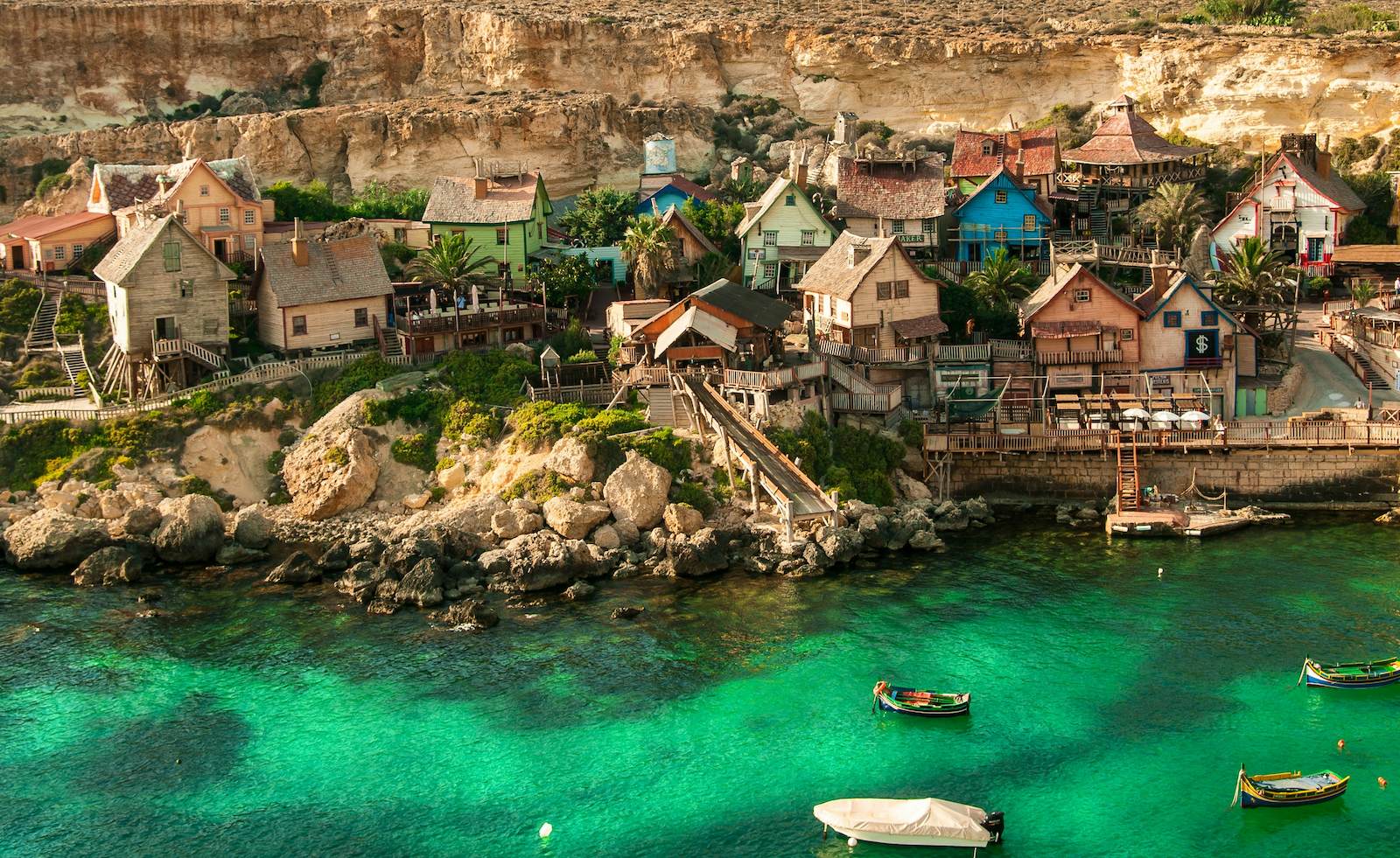
Are you a high-net-worth individual seeking to expand your global mobility and safeguard your wealth against economic and political uncertainty? If so, you may consider getting a Golden Visa.
More than 100 countries offer Golden Visa programs — unlocking a world of opportunities in investment, residence, citizenship, and more.
This guide will walk you through the benefits of getting a Golden Visa in one of the top 10 best Golden Visa Programs, including countries such as Vanuatu, Malta, Antigua and Barbuda.
Golden Visa Benefits
Golden Visas Programs are immigration programs that allow high-net-worth individuals like you to obtain residency in a country through investment. These programs were introduced to attract foreign investments and stimulate economic growth.
The main benefits of getting a Golden Visa are:
1. Global Mobility
Golden Visas not only offers visa-free travel within regions like the Schengen Area but also enhances global mobility with potential access to visa-on-arrival or e-visa options in numerous countries worldwide. This expanded travel freedom can be invaluable for business, leisure, and personal growth, allowing investors and their families to explore new cultures and opportunities with ease.
2. Tax Optimization
Beyond the initial tax incentives, some jurisdictions offer long-term financial benefits, such as no wealth tax, inheritance tax, or capital gains tax on overseas investments. These tax structures are designed to attract high-net-worth individuals looking for efficient ways to manage and grow their wealth, providing significant savings and financial growth opportunities over time.
3. Investment Opportunities
Investment through Golden Visa programs isn’t limited to passive investments; it can also provide active involvement opportunities in local markets and startups. This involvement means you can directly invest in projects that help the country grow and innovate. In return, you get not only financial gains but also the fulfillment of making a positive impact on the development of your new home.
4. Lifestyle Improvements
Access to high-quality healthcare and education is often accompanied by a higher standard of living, including safer environments, cleaner air, and many cultural experiences. These improvements significantly contribute to the well-being and happiness of expats and their families, making the relocation not just a financial decision but a lifestyle choice.
5. Family Inclusion
Most Golden Visa programs extend beyond immediate family members, sometimes including parents, in-laws, and even siblings, under certain conditions. This comprehensive inclusion ensures that family unity is maintained, offering peace of mind about the welfare and future opportunities for loved ones. Additionally, these programs often lead to permanent residency or citizenship, offering stability and security for future generations.
6. Social and Cultural Exposure
Living in a new country through a residency program opens doors to experiencing diverse cultures and ways of life, broadening your social perspectives and enriching your life experiences. This cultural immersion fosters a deeper understanding and appreciation for global diversity, leading to more meaningful interactions and relationships. Additionally, exposure to different cultural practices and social norms can significantly enhance your adaptability, communication skills, and global network, positively impacting both your personal and professional development.
The Top 4 Golden Visa Programs
1. Malta
- Investment Options:
- Real Estate Purchase: Purchase a property in Malta for USD 324,000 in the South of Malta or Gozo, or for USD 378,000 if it is anywhere else in Malta.
- Rental Agreement: Enter a rental agreement that must be kept for 5 years. The rent must cost at least USD 10,800 in South Malta or Gozo, or if it is any other part of Malta, it must cost USD 12,960 annually.
- Eligibility:
- Open to non-EU, non-EEA, and non-Swiss citizens without any criminal record; subject to standard due diligence processes.
- Must not be beneficiaries under any other applicable programs or schemes.
- Applicants must have stable and regular sources of income, confirming their capability and that of their dependents to support themselves without relying on Malta’s social welfare system.
- Must be over 18 years old.
- Time Frame: Around 12-18 months.
- Benefits:
- Visa-free travel within the Schengen Area.
- You can gain eligibility for the EU long-term residency if you reside in Malta for 5 years continuously.
- Securing residency in Malta provides the applicant and their dependents with a permanent residency certificate, allowing them the freedom to live, settle, and remain in Malta indefinitely. This residency status is lifelong, contingent upon meeting continuous requirements.
- Malta has high-quality living standards and is one of the world’s safest countries, making it an ideal location for a stable and secure life for your family.
- The applicant’s spouse, unmarried and financially dependent children of any age, grandparents, and parents can be included in the application.

2. Greece
- Investment Options:
- Real Estate Purchase: Purchase a property in Greece for USD 270,000; however, if it is in Athens, Thessaloniki, Mykonos, and Santorini, the minimum investment requirement has increased to USD 540,000.
- Capital Investment: Invest USD 445,231 into a Greek-based company or a real estate company in Greece.
- Bank Deposit: Lock USD 445,231 into a term deposit in a Greek bank for at least one year, to be renewed automatically.
- Venture Capital Investment: Purchase shares, government bonds, or mutual funds worth at least USD 445,231.
- Eligibility:
- Open to non-EU nationals without any criminal record; subject to standard due diligence processes.
- All applicants and dependants must have health insurance from a Greek company.
- Applicants must show financial solvency and the ability to sustain themselves and their dependents in Greece without needing employment.
- Must be over 18 years old.
- Time Frame: Approximately 2-3 months for residency permit issuance.
- Benefits:
- Visa-free access to the Schengen Area.
- No requirement to reside in Greece.
- Eligibility for full residency after 7 years.
- Residency in Greece extends to your spouse and children under the age of 21, granting them the opportunity to pursue employment or education within the country.
- Access to high-quality healthcare and education systems.
- A warm Mediterranean climate and rich cultural heritage.

3. Portugal
- Investment Options:
- Donation to Scientific Research: Contribute approximately USD 540,000 (€500,000) to public or private scientific research institutions in Portugal.
- Donation to Arts and Heritage: Contribute approximately USD 270,000 (€250,000) to fund artistic productions or aid in the restoration or preservation of national cultural heritage.
- Invest in Portuguese Funds: Invest USD 540,000 (€500,000) into Venture Capital/Private Equity Funds, targeting sectors like technology, agriculture, startups, and healthcare.
- Job Creation: Create a minimum of 10 jobs or invest a minimum of USD 540,000 (€500,000) to establish a commercial company in Portugal and generate 5 permanent employment positions.
- Eligibility:
- Applicants must have a clean criminal record.
- Investments must be paid for with money outside of Portugal.
- All applicants and dependants must have health insurance from a Portuguese company.
- Applicants must open a Portuguese bank account.
- Time Frame: It takes around 6 months for the initial residency permit.
- Benefits:
- Visa-free travel within the Schengen Zone
- Possibility of permanent residency and citizenship after 5 years.
- The applicant’s parents, spouse, and children are also eligible for the Portuguese Golden Visa, granting them the right to live, study, and work in Portugal.
- Portugal offers a robust and inviting business landscape, securing the 39th position globally in the “Ease of Doing Business” rankings. It serves as a crucial center for international commerce and travel.
- Potential for tax benefits under the Non-Habitual Resident (NHR) program.
- Portugal ranks 19th on the worldwide scale for quality of life, including safety, healthcare, and education.
- Vibrant culture and favorable climate.

4. The UAE
- Investment Options:
- Real Estate Purchase: Purchase a property in the UAE valued at USD 550,000 (AED 2 million) or purchase one or more off-the-plan properties that are valued at at least USD 550,000 combined (acquired from authorized local property developers).
- Investment in Public Investments: Provide a letter from a recognized investment fund confirming a deposit of at least USD 550,000 (AED 2 million), or present a valid industrial or commercial license and a memorandum of association indicating a capital investment of no less than USD 550,000 (AED 2 million) or submit a letter from the Federal Tax Authority indicating an annual payment to the government of USD 68,000 (AED 250,000).
- Entrepreneurial Endeavor: Applicants are required to possess an innovative economic project with a focus on technology or futuristic concepts, underscored by risk and innovation, and must provide a letter from a UAE auditor confirming the project’s value of at least USD 136,000 (AED 500,000). Additionally, they must submit documentation from UAE authorities verifying the project’s technical or futuristic orientation, along with a letter from a UAE-recognized business incubator detailing the proposed project.
- Doctors and Scientists: Applicants must secure an endorsement letter from the UAE’s Ministry of Health and Prevention authorizing medical practice (for doctors) or obtain a recommendation from the Emirates Council of Scientists or a notification from the Secretariat of the Mohammed bin Rashid Medal for Scientific Excellence confirming receipt of the Medal of Scientific Excellence (for scientists).
- Inventors: Applicants are required to have a recommendation letter from the Ministry of Economy indicating that their patent contributes added value to the national economy of the country.
- Creative People in Culture and Art: Creative individuals in the culture and art sectors must obtain an approval letter from the culture and arts department of the respective emirate.
- Executive Directors: Executive Directors must provide a university degree accredited by the Ministry of Education, with qualifications not lower than a bachelor’s degree, an experience letter proving at least five years in the same role, a salary certificate indicating a minimum monthly income of approximately USD 13,600 (AED 50,000), and a valid employment agreement.
- Athletes: Athletes need to secure a recommendation letter from the General Sports Authority or one of the sports councils.
- Specialists in Engineering and Science: Specialists in engineering and science must submit a certified copy of a Bachelor’s or Master’s degree from the Ministry of Education along with a work contract.
- High School Students: National-level top performers with a minimum grade of 95% in secondary education, public or private, are eligible for a 5-year Golden Visa, extendable for majors requiring longer study periods. A recommendation from the Ministry of Education is needed.
- University Students: Exceptional university students from A or B class institutions, as rated by the Ministry of Education, can receive a 10-year Golden Visa. Requirements include a GPA of at least 3.5 for A class and 3.8 for B class universities, along with a recommendation letter or an accredited academic record, provided graduation occurred within the last two years.
- Humanitarian Pioneers: Humanitarian pioneers that have had at least five years in international/regional organizations or civil institutions, recipients of humanitarian awards, or donors of USD 550,000 (AED 2 million) or more to humanitarian causes.
- Frontline Heroes: Frontline heroes, including nurses, medical assistants, lab technicians, pharmacologists, and other approved roles, who showed exceptional dedication during crises like the COVID-19 pandemic.
- Eligibility:
- Applicants must have a clean criminal record.
- The applicant is at least 18 years old.
- The invested money mustn’t be gained from a loan.
- Must be able to prove the legality of the money used to invest.
- Must not have any diseases such as HIV or tuberculosis.
- Must have medical insurance for all applicants.
- Time Frame: Variable, depending on the type of investment and processing times.
- Benefits:
- The applicant’s spouse and unmarried children of any age can be included without requiring any additional investment.
- No sponsor is required.
- Residence in a major global business hub, which is rated in the top 30 countries of the world for ease of doing business.
- Investors benefit from a preferential tax system, exempt from personal income, capital, net worth, or withholding taxes, except in the domestic banking and oil industries. Additionally, numerous double-taxation agreements are established.
- Enjoy a very high standard of living.
- The country’s strategic location serves as a bridge to Africa, the Middle East, Asia, and Europe, offering unparalleled access due to its geographic positioning.
- Access to world-class healthcare and education systems.

5. Spain
- Investment Options:
- Real Estate Purchase: Acquire property in Spain for a minimum of USD 540,000 (€500,000).
- Capital Investment: Invest USD 1.8 million (€1 million) in Spanish public debt or a Spanish company’s shares.
- Business Project: The minimum investment for this option is approximately USD 1.08 million (€1 million). This investment must either generate employment, ensure the investment positively impacts the socio-economic landscape of the country, or contribute to scientific or technological advancements.
- Eligibility:
- Applicants must have a clean criminal record.
- Applicants are at least 18 years old.
- All applicants must have private medical insurance.
- Provide evidence that you can survive on your funds without working in Spain.
- Time Frame: Approximately 3-4 months for residency permit issuance.
- Benefits:
- Visa-free travel within the Schengen Area.
- The Spain Golden Visa Program encompasses residency for your family, attracting many investors particularly interested in their children’s education.
- Eligibility for permanent residency after 5 years and citizenship after 10 years, subject to meeting certain criteria, including language proficiency.
- High quality of life with access to top-tier healthcare and education systems.

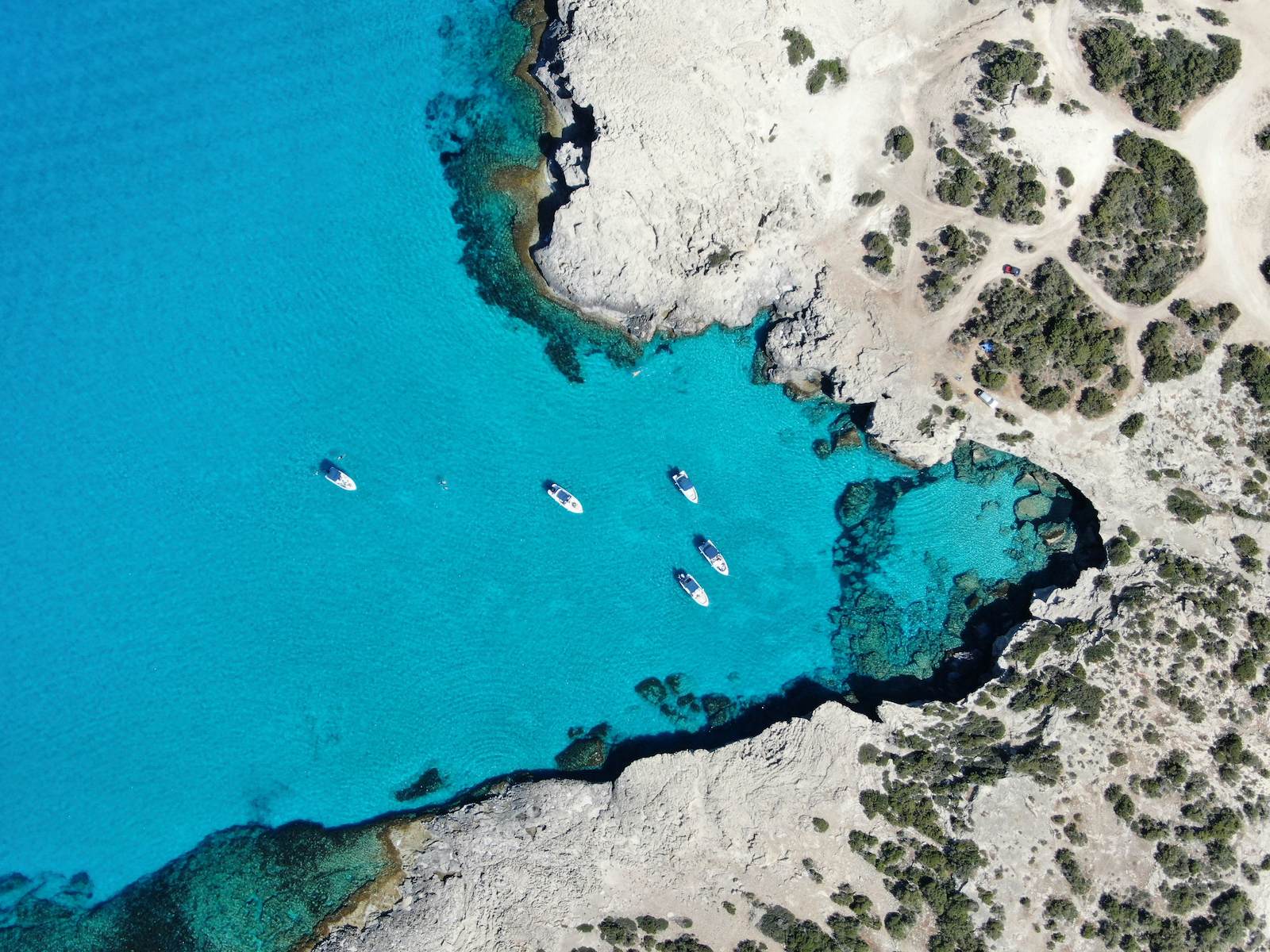
6. Cyprus
- Investment Options:
- Residential Property Investment: Invest in residential property worth at least USD 324,000 (€300,000).
- Commercial Property Investment: Buy a commercial property worth at least USD 324,000 (€300,000).
- Capital Investment: Investment in USD 324,000 (€300,000) worth of share capital in a company that is registered in Cyprus.
- Investment Funds: Invest in Alternative Investment Funds (AIFs) or financial assets of Cypriot companies or Cypriot organizations of at least USD 324,000 (€300,000).
- Eligibility:
- Open to non-EU nationals without any criminal record; subject to standard due diligence processes.
- Applicants are at least 18 years old.
- Income of at least USD 54,000 (€50,000) for the principal applicant, USD 16,200 (€15,000) for a spouse, and USD 10,800 (€10,000) for each dependent child.
- Not eligible to work in Cyprus unless they purchase shares in a company.
- Time Frame: Citizenship can be obtained within 6 months.
- Benefits:
- Visa-free travel within the EU and Schengen Area.
- The inclusion of spouses, children under 18, and children under 25 who are entirely dependent on the primary applicant.
- The possibility of a Cypriot passport after 5-7 years of continuous residency will afford recipients the right to live, work, and study across the EU.
- There is no need to reside in Cyprus (just a visit once every 2 years).
- High standard of living with access to reputable education and healthcare systems.
7. Ireland
- Investment Options:
- Business Investment: Invest at least USD 1.08 million (€1 million) in an Irish business for a minimum duration of three years.
- Investment in Funds: Commit at least USD 1.08 million (€1 million) to an investment fund sanctioned and overseen by the Central Bank of Ireland for no less than three years.
- Investments in REITs: Allocate a minimum of USD 2.16 million (€2 million) to Irish Real Estate Investment Trusts (REITs) listed on the Irish Stock Exchange, maintained for at least three years.
- Philanthropic Contribution: Donate at least USD 540,000 (€500,000) (or USD 432,000 (€400,000) for groups of five or more) to Irish projects benefiting arts, sports, health, culture, or education, providing a public advantage.
- Eligibility:
- Must be a non-EEA national.
- Must possess a reputable character.
- Must not have never been found guilty of a criminal act in any country.
- Must have a net worth of at least USD 2.16 million (€2 million).
- Time Frame: Approximately 3-6 months for residency permit issuance.
- Benefits:
- As an Irish resident, you (and included family members) are allowed to work, live, study, and even start a business in Ireland.
- After completing the five-year term and retrieving your investment, you retain the option to maintain your residency in the country and pursue citizenship. This will give you the option to live, work, and study in any EU country.
- You only have to reside in Ireland for 1 day per year to maintain residency.
- Ireland’s corporate tax rate stands at a low rate of only 2.5%, with the tax framework determined by residency.
- Holding Irish residency enables your children to attend premier institutions like Trinity College and University College Dublin. Additionally, you may qualify for up to a USD 54,000 (€50,000) discount on your investment for any educational expenditures in Ireland.
- Ireland is ranked second in terms of quality of life according to the Human Development Index, excelling in areas such as amenities, employment opportunities, income, housing, and personal safety.

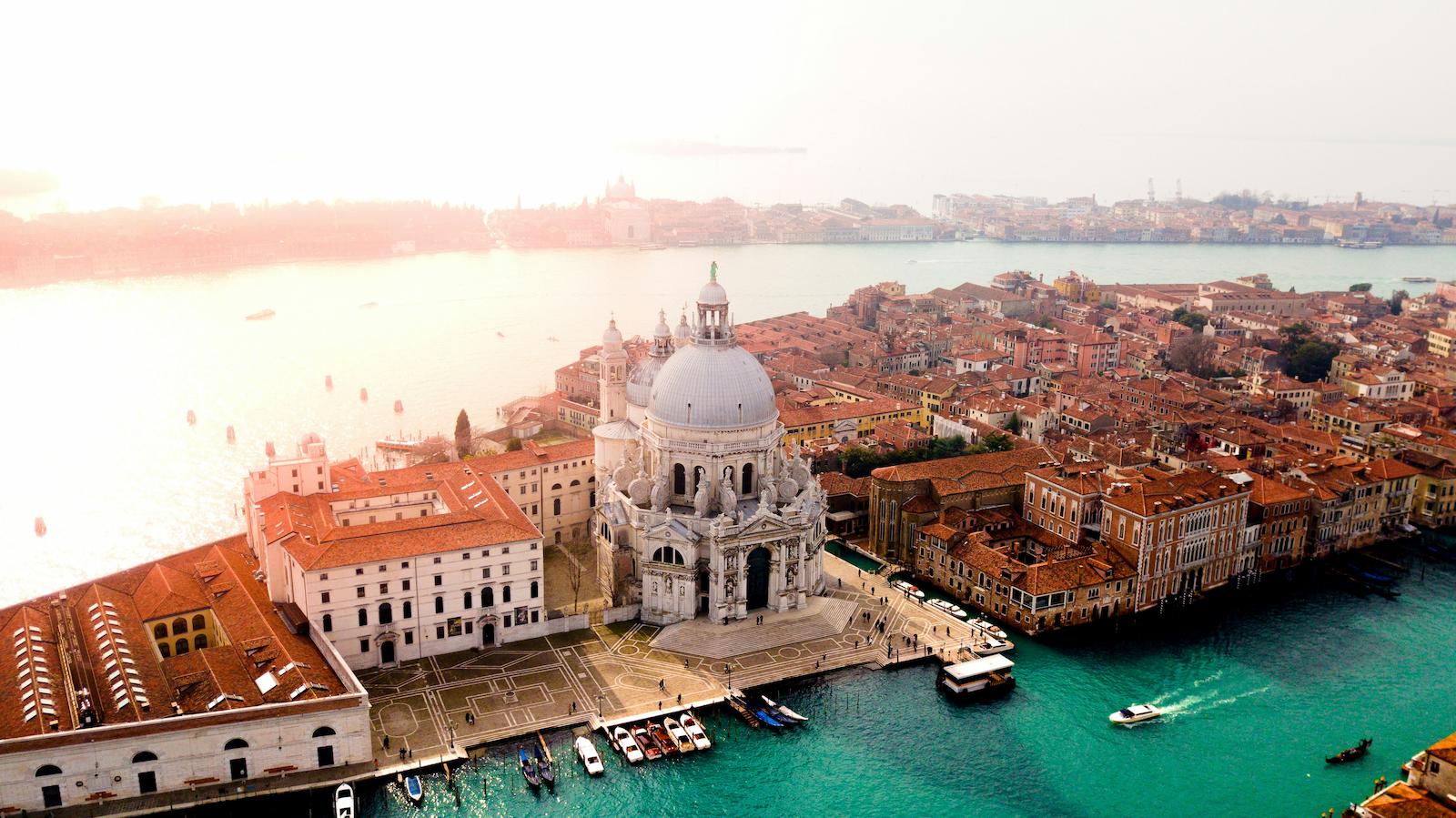
8. Italy
- Investment Options:
- Investment in Government Bonds: Invest USD 2.16 million (€2 million) in Italian government bonds.
- Investment in Company: Invest USD 540,000 (€500,000) in an Italian limited company
- Investment in Startup: Invest USD 270,000 (€250,000) in an Italian innovative startup.
- Donation to Philanthropy: Donate USD 1.08 million (€1 million) to a philanthropic initiative in Italy.
- Eligibility:
- Must be a non-EEA resident.
- Must be at least 18 years old.
- Must have a clean criminal record.
- Must possess a reputable character.
- Must have health insurance.
- Must prove the legitimacy of the funds used to invest.
- Must have earned at least USD 9180 (€8,500) in the previous year.
- Time Frame: 2-3 months for the Golden Visa issuance.
- Benefits:
- Eligibility for Italian citizenship is possible after 10 years, along with access to a favorable tax policy.
- Freedom to move within the Schengen Zone is granted.
- Family members can be included in your application.
- Both you and your family are permitted to work in Italy, and you can take advantage of Italy’s national public healthcare system.

Get Your Golden Visa
In essence, Golden Visas offer an attractive path for those with the means to extend their global reach and improve their quality of life. Opting for one of the leading programs, such as those in Malta, Portugal, or Greece, can open up numerous benefits: easier travel, favorable tax conditions, and diverse investment options. It’s more than just a financial move; it’s a step towards a better lifestyle, including access to superior healthcare and education, not just for you but also for your family.
In short, getting a Golden Visa is not only an investment in your financial portfolio but also an investment in your and your family’s future, unlocking a wealth of global possibilities.
Contact us today if you want to learn more about getting your Golden Visa.
FAQ’s
What is a Golden Visa?
A Golden Visa is a residency visa offered by various countries to high-net-worth individuals, allowing them to live in the host country in exchange for a significant investment.
What are the benefits of a Golden Visa?
Benefits include visa-free travel to numerous countries, potential tax advantages, access to high-quality healthcare and education, and improved lifestyle and security for the investor and their family.
How much does it cost to get a Golden Visa?
The cost varies significantly depending on the country and the type of investment. For example, in Malta, the investment amount starts at USD 324,000. However, it can range to several million dollars for real estate or business investments in the UAE.