
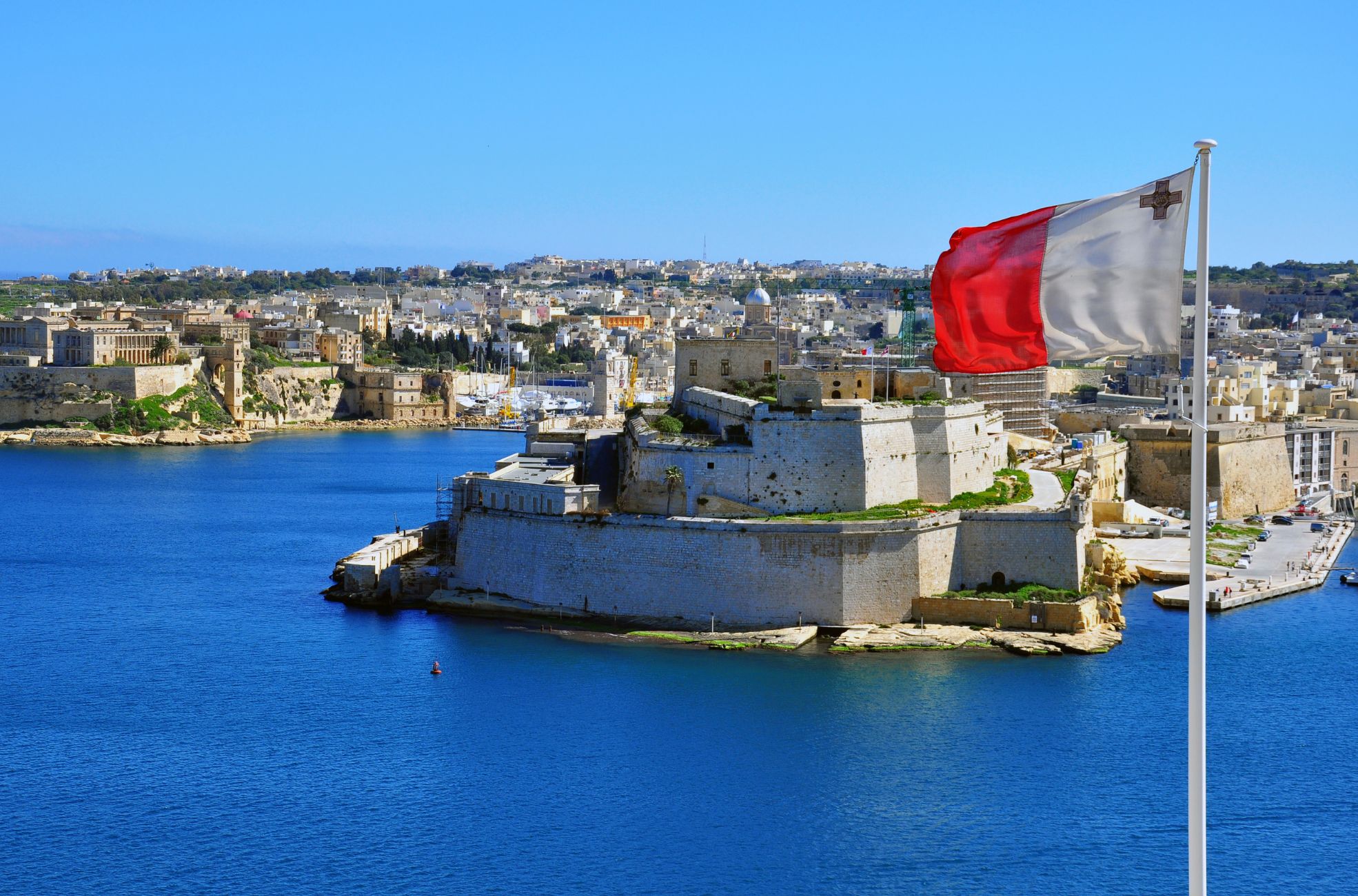
Are you captivated by Malta’s cultural richness, welcoming community, and Mediterranean charm? Maybe you’ve visited, and now you’re dreaming of making this island nation your forever home. Through several appealing residence programs, Malta offers a unique chance to change from a visitor to a resident. Beyond the scenic allure, Malta provides a favorable tax system, flexible travel options, and a high standard of living. So you may be wondering how to get a permanent residency visa in Malta.
Our comprehensive guide will walk you through obtaining a Malta residence permit, detailing the benefits you’ll enjoy as a permanent resident. We’re here to help you realize your dream and start your journey toward calling Malta your new home.
Reasons To Obtain A Malta Residency Permit
Benefits of A Maltese Residency Permit
Whether crafting entrepreneurial dreams, seeking investment opportunities, or desiring a lifestyle change, Malta welcomes you with various benefits. Renowned worldwide for its residency by investment programs, the country presents a compelling proposition for affluent individuals keen on global mobility and fiscal advantages.
Having a Maltese citizen or residency permit grants you access to the privileges of a coveted passport. Recognized among the world’s top ten, a valid passport opens the gates to over 180 nations, either visa-free or with visa-on-arrival. Envision jetting off for business or leisure effortlessly; a significant boon for the international traveler or global entrepreneur in you!
Moreover, the tax structure in Malta is enviably favorable. The burden is manageable, with a maximum personal income tax rate of 35% attached to generous deductions. You can enjoy exemptions on gift tax, inheritance tax, and occasionally even property tax. Plus, there are no taxes on dividends, interest, or royalties, and not to mention the VAT tax rate is among Europe’s lowest, an inviting factor for both businesses and individuals.
Life in Malta combines high living standards with affordability, delicately intertwined with a tapestry of rich cultural heritage and friendly locals. Paint a picture of centuries-old historical sites surrounded by a community that embraces diversity and foreigners like their own. Strap yourself in for a unique Mediterranean experience as life in this dual-island nation — comprising Malta and Gozo— pledges unparalleled charm.
Why Choose Malta?
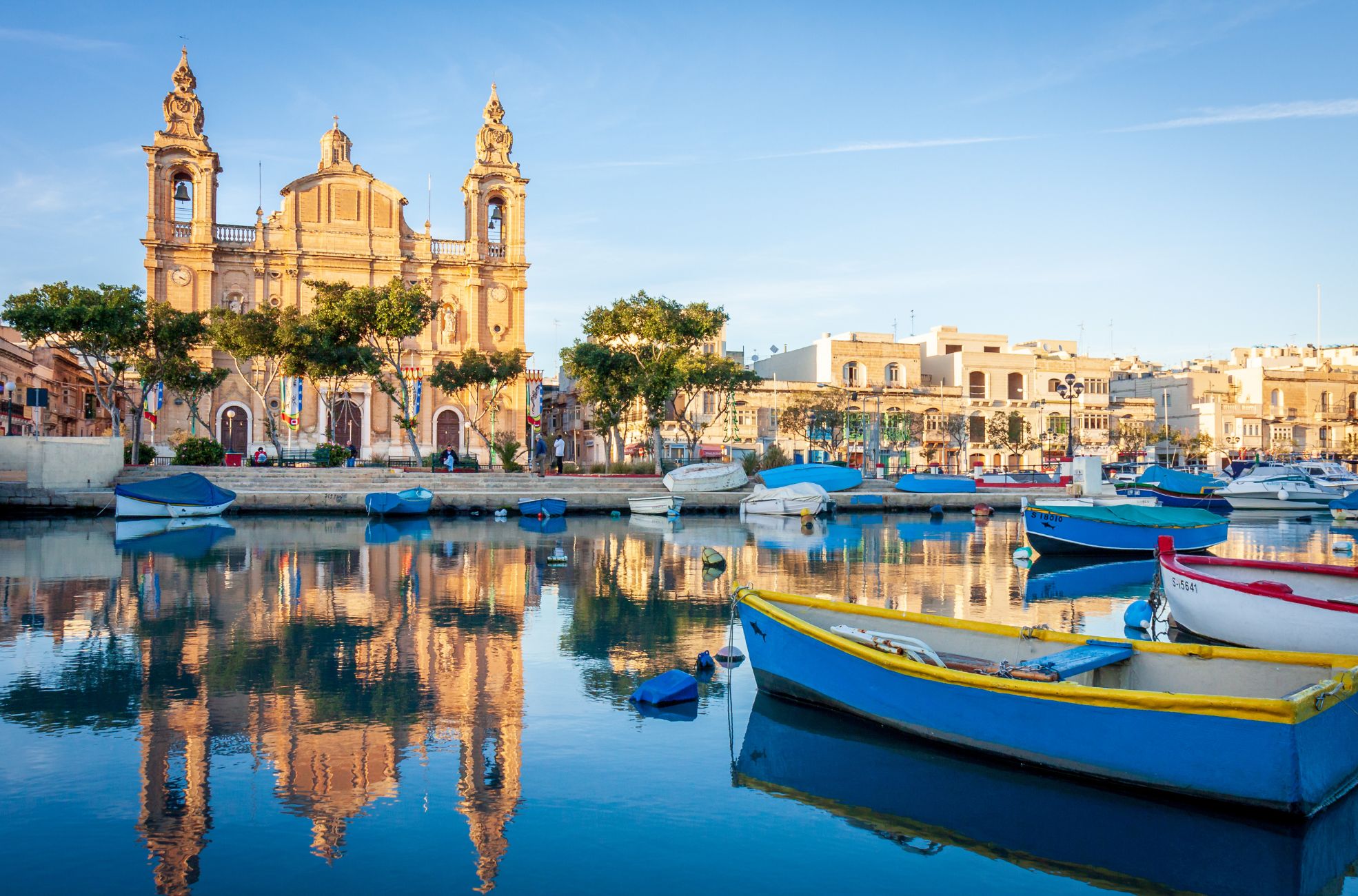
Imagine savoring the sun-soaked year-round weather, marveling at picturesque landscapes, or embarking on a myriad of activities, from sunrise swims to post-lunch boat escapades. The vast public transportation network makes commuting across these magical islands hassle-free.
You can opt for several Residency by Investment programs (RBI) which include the Global Residence Program (GRP), The Residence Program (TRP), and the Malta Permanent Residence Program (MPRP). Each offers affordable entry, comprehensive services, and extensive travel freedom attributable to Malta’s association with the European Union.
With its cost of living placing it 18th in Europe, Malta makes luxurious living affordable. Its geographical placement further enhances its attractiveness, boasting perfect weather and stunning beaches at your doorstep.
A Maltese residence provides more than just functional privileges; it creates a conducive environment to establish a business. Furthermore, it also has a social assistance system that unlocks access to Malta’s first-rate education system and near-universal healthcare coverage courtesy of Malta’s National Health Service (NHS).
Once you gain permanent residency, professional opportunities open up with entitlement to a work permit, alongside visa-free accessibility to the entire EU and Schengen area. Foreign-sourced income isn’t susceptible to taxation unless remitted to Malta, while local personal, business, or investment income bears a mere 35% tax.
In applying for citizenship, proficiency in English or Maltese is a requisite. The country is a secure choice given Malta’s consistent economic growth, political stability, and robust banking infrastructure. It scores highly on various global healthcare metrics, offering free universal healthcare, childcare, and education.
Experience the heartwarming hospitality of the Maltese amongst an approximate population of 500,000 spanning across Malta, Gozo, and Camino. The low crime rates and reasonable property purchase prices enhance Malta’s allure, making it quintessentially a tranquil Mediterranean haven worth considering for relocation.
Types of Residence Programs for Malta
Malta Permanent Residence Program (MPRP)
The MPRP is an investment-based residency program. To be eligible, you must be a non-EU, non-EEA, and non-Swiss national with at least USD 550,000 in capital assets, including a minimum value of USD 165,000 in financial assets. You must also rent or purchase a property in Malta and pay a non-refundable administrative fee of USD 44,000. The MPRP allows you to settle in Malta permanently and provides visa-free travel across the Schengen area.
Malta Global Residency Program (GRP)
The GRP offers a Maltese residence permit, which grants free travel within the EU Schengen Area and the right to live indefinitely in Malta. To be eligible, you must invest in residential property valued at least USD 302,000 or establish a rental contract for at least USD 10,550. You must also have health insurance that covers the EU and make a combined minimum annual tax contribution of USD 16,500.
Malta Ordinary Residence Program (OR)
The OR is for those migrating to Malta from the EU. The tax you’ll pay is based on your income and marital status, ranging from 0 to 35 % of your annual income minus a tax credit. You’ll need to renew your OR permit every five years.
Malta Tax Residence Program (TRP)
The TRP is designed to attract Private Clients and High Net Worth families from the EU, EEA, or Switzerland. These individuals are looking to gain tax residence in Malta. A key requirement is owning qualifying property in Malta. Once you’re approved for tax resident under the TRP, you’ll be required to pay a minimum tax of fifteen thousand Euros (USD 16,500) per annum.
Malta Retirement Program (MRP)
The MRP is a special tax status designed for individuals who receive a pension as their regular source of income. The MRP offers a 15% flat tax rate on any foreign pension income received in Malta. To qualify, you can’t be employed in Malta. You’ll also need to receive a worldwide pension in Malta, which must make up at least 75% of your taxable income.
Malta Nomad Residence Permit (MNRP)
The MNRP allows you to keep your current job-based in another country while legally living in Malta. To qualify for the digital nomad visa, you’ll need a monthly income of at least USD 3,000. The application for the digital nomad visa should be submitted to any consular office of Malta or any authorized place for processing residence permits in the third country nationals from where you’re a permanent or temporary resident.
Malta Startup Residence Program (MSRP)
The MSRP is designed to attract new talent and highly innovative startups from around the world. If you’re a beneficiary of the startup residence permit, you’re legally entitled to live and work in Malta. The permit is valid for three years and can be extended. The incorporated Startup in Malta is required to make a tangible investment and/or paid-up share capital of not less than USD 27,500.
Living In Malta
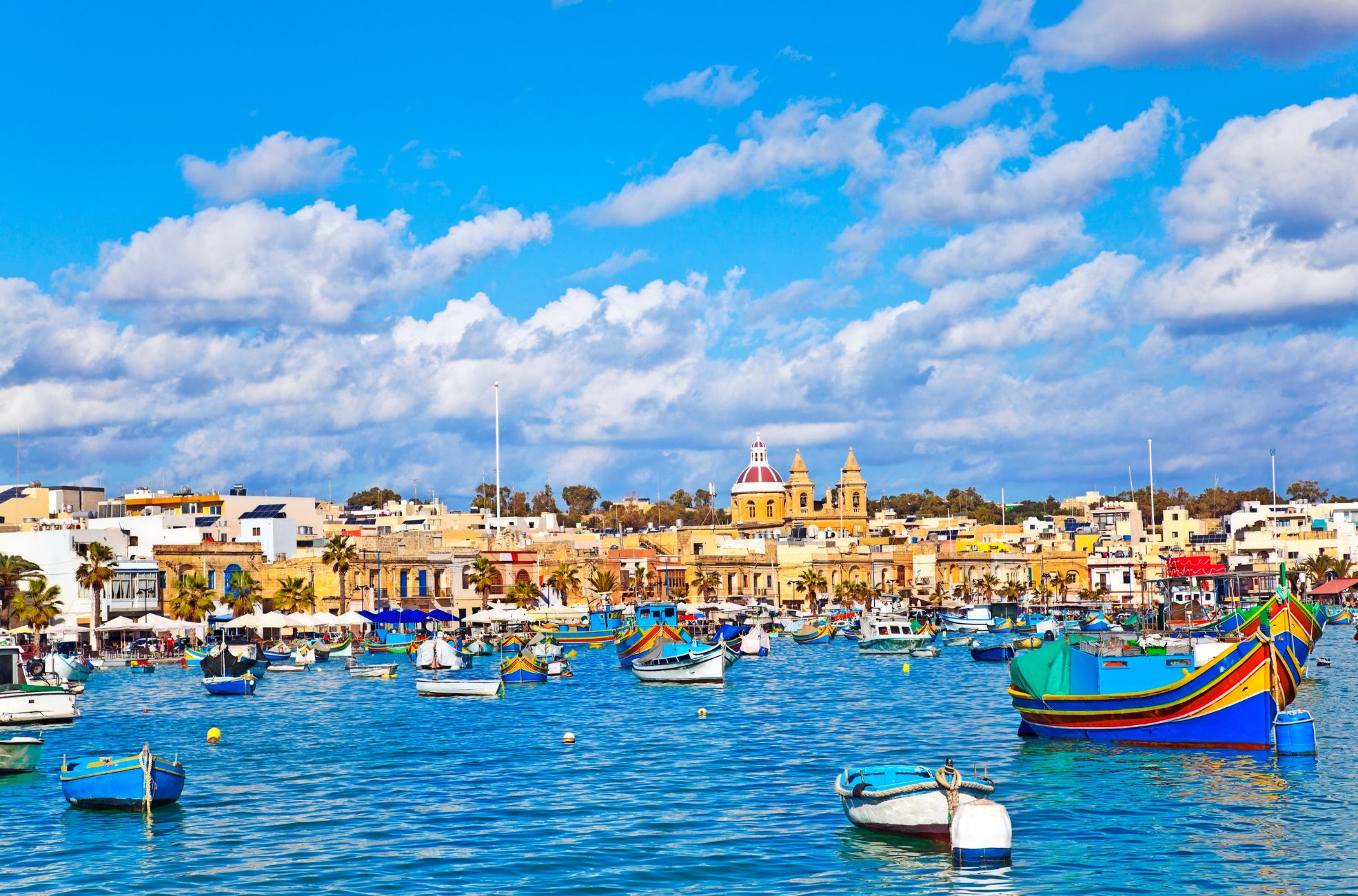
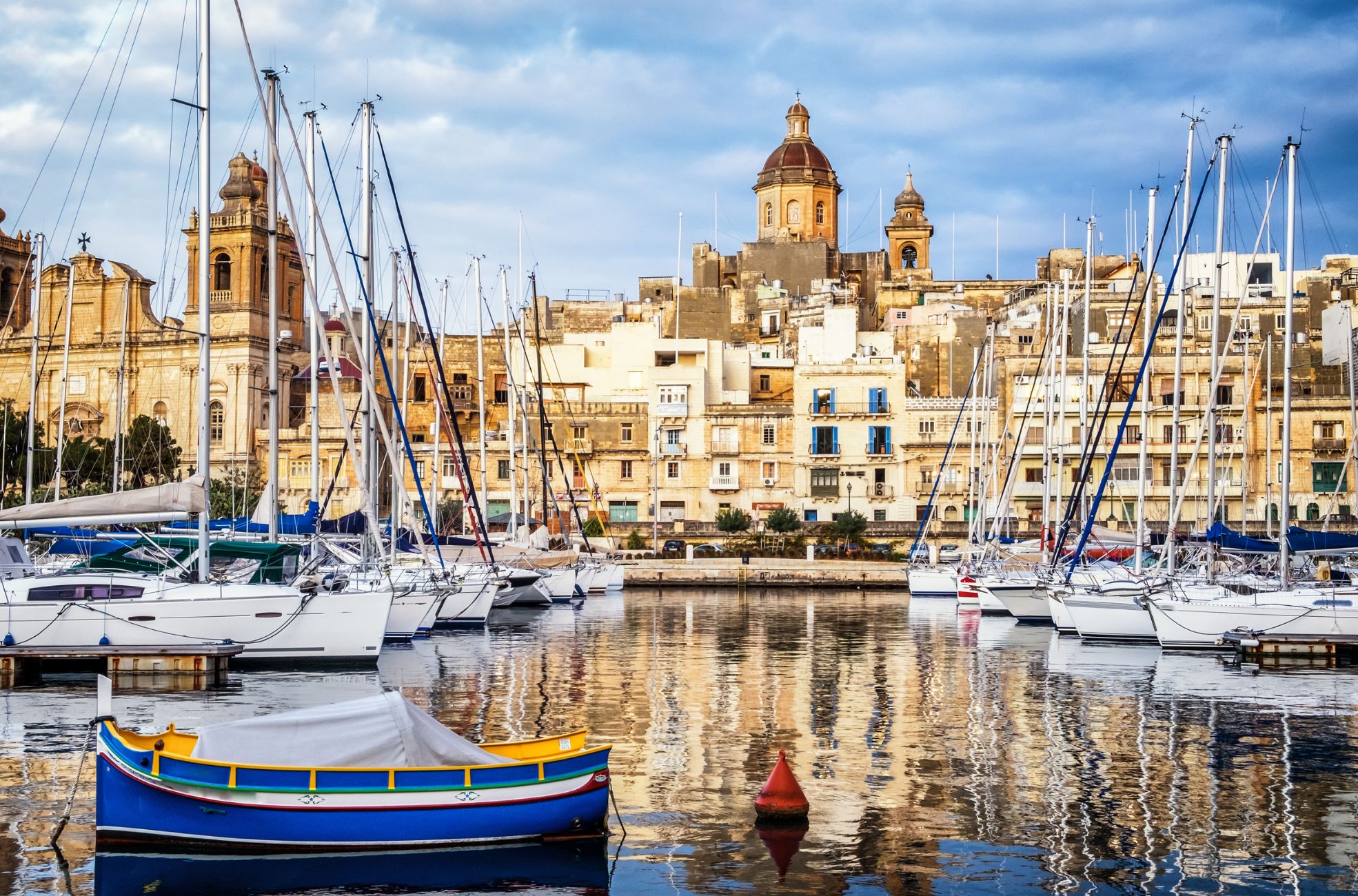
The island nation of Malta is a Mediterranean gem, offering a wealth of attractions and activities. From exploring the many harbors, bays, and sandy beaches to visiting historical sites and nature parks, there’s always something to keep you engaged. The island’s excellent public transport network makes it a perfect base for exploring the Mediterranean region.
Malta’s climate is typically Mediterranean, with plenty of sunshine throughout the year. Even mid-winter, you’ll get five to six hours of sunshine daily, extending to around 12 hours in summer. The island’s culinary scene is also a delight, with numerous fine restaurants serving fresh seafood prepared according to traditional recipes.
The Quality Of Life In Malta
Malta’s economy is stable, with low unemployment rates and a high Gross Domestic Product. Despite being one of the most densely populated countries in the EU, Malta offers a high quality of life with one of the lowest living costs in the region.
Malta’s real estate market is experiencing a boom, with property prices significantly cheaper than in places like Los Angeles, Miami, or Vancouver. This makes it an attractive option if you’re looking to relocate.
The education system in Malta follows the British curriculum, offering a wide range of subjects. Schools are regulated by the Ministry of Education and divided into state, church, and independent schools. The University of Malta, the primary tertiary institution, offers a range of degree and diploma courses in English.
Healthcare in Malta is of very high quality and standards. It’s consistently ranked among the top five globally by the World Health Organisation. The country operates both a public and private healthcare system. The public system provides free services to all Maltese citizens and European Union residents with a European Health Insurance Card (EHIC).
The official languages of Malta are Maltese and English. Thanks to its time as a British colony, locals speak fluent English. This, along with their warm and welcoming attitude, allows for easy integration. Malta is also one of the safest countries in Europe regarding travel or residency, with very low crime rates.
For expats, Malta offers several visa options and residency schemes. These include Citizenship by Investment, Permanent Residence Scheme, Family Visa, and the Ordinary Residence Scheme. After five years of legal residency, you can apply for permanent Maltese residency. This straightforward pathway to residency and citizenship and its affordability and welcoming community make Malta a popular choice for potential expats—retirees, investors, and digital nomads— looking for a golden ticket to stay and travel across the EU’s Schengen Region.
Malta Residence Program – FAQs
Who Is Eligible For The Malta Residence Program (MPRP)?
The MPRP is an investment program designed for non-EU/EEA/Swiss nationals. However, individuals from countries currently under sanctions, such as Afghanistan, North Korea, Iran, etc., are ineligible.
How Much Does It Cost To Get Residency In Malta?
The MPRP involves a significant financial commitment, including a non-refundable government contribution and the responsibility to rent or purchase property in Malta. The differing costs depend on whether renting a property you’re renting or buying equates to USD 75,000 and USD 108,000, respectively.
Are There Other Residency Programs Offered By Malta Than MPRP?
Yes, Malta also has schemes like the GRP for self-sufficient, non-EU/EEA country nationals who are willing to invest in Malta’s property market and the TRP tax and residence program.
What Criteria Need To Be Fulfilled For Eligibility In The MPRP?
You have to satisfy several criteria, including being 18 years of age or older, being a national of a non-EU country, having stable resources, and providing evidence of a clean police record.
What Does The Residence Certificate Entail?
Once you’ve received your residence certificate, it stays valid, provided you adhere to the program’s obligations. However, the birth certificate and accompanying residence card lasts five years and can be renewed for additional 5-year intervals.
Can Family Members Also Obtain The Maltese Residency?
A: Family members may be included in your own application process. Parents or grandparents primarily dependent on you can be added as dependents for an additional fee.
Is The MPRP Connected With Any Philanthropic Activities?
Yes, you’re required to make a minimum donation of USD 2,200 to a local registered NGO.
Does The MPRP Allow Work Rights In The European Union?
While the MPRP doesn’t provide employment rights in the EU, it has visa-free access and permits visa-free travel to Schengen countries for up to 90 days within 180 days.
How Can One Apply For Maltese Citizenship Under The MPRP?
After five years of residing in Malta, you can apply for citizenship. This entails having lived in Malta for a full 12 months prior to the date of application and residing in Malta for at least four out of these five years.
What Are Some Things To Consider Before Deciding On Residency Or Citizenship In Malta?
Malta is a beautiful island country known for its rich culture, political and economic stability, and high quality of life. However, obtaining residency or citizenship requires a considerable financial investment and a readiness to reside in the country for a notable period.
Wrapping Up Your Malta Residency Journey
Securing residence in Malta is an attractive option that combines benefits from a personal, financial, and lifestyle perspective. With a range of residence programs tailored to various categories of individuals, Malta truly extends a warm and inviting welcome to its future residents.
By following the guidelines of a residency program and meeting the criteria specified under each scheme, your dream of living a high-quality Mediterranean life can become a reality. Remember, the Maltese residency journey is an investment in your future, offering endless possibilities and a world of opportunities.
Embrace the chance to make Malta, renowned for its rich history, stunning landscapes, and favorable tax regime, your home. It’s time to take the first step towards your new life in this beautiful island nation.